
- Shoelaces may look like a small part of your shoes, but they play an important role in comfort, fitting, and overall style. The way you lace your shoes can affect how they feel while walking, running, or doing daily activities. Properly laced shoes provide better support, improve the fitting, and help prevent problems like slipping, discomfort, and pressure on your feet.
- Many people buy stylish shoes but do not pay attention to the way they put laces in their shoes. Using the wrong lacing method can make even a comfortable pair of shoes feel too tight or too loose. Whether you are wearing sneakers, sports shoes, casual shoes, or boots, learning the correct way to lace your shoes can make a big difference in your everyday comfort.
- In this guide, you will learn how to put laces in shoes step by step, different shoe lacing styles, common mistakes to avoid, and useful tips to get the perfect fit for your footwear.
Why Is It Important to Lace Your Shoes Correctly?
- Proper shoe lacing is not only about making your shoes look clean and stylish. It also plays an important role in keeping your feet comfortable throughout the day. When your shoes are laced correctly, they provide better stability and keep your feet secure while walking or performing activities.
- Loose shoelaces can allow your feet to move inside the shoes, which may cause discomfort, rubbing, or blisters. On the other hand, tying your laces too tightly can create unnecessary pressure and make your feet feel uncomfortable.
The right lacing method helps:
- Improve the fitting of your shoes
- Provide better foot support
- Reduce unnecessary movement inside the shoe
- Increase walking comfort
- Give your shoes a clean and stylish appearance
A simple change in the way you lace your shoes can improve both comfort and the overall look of your footwear.
Things You Need Before Putting Laces in Shoes
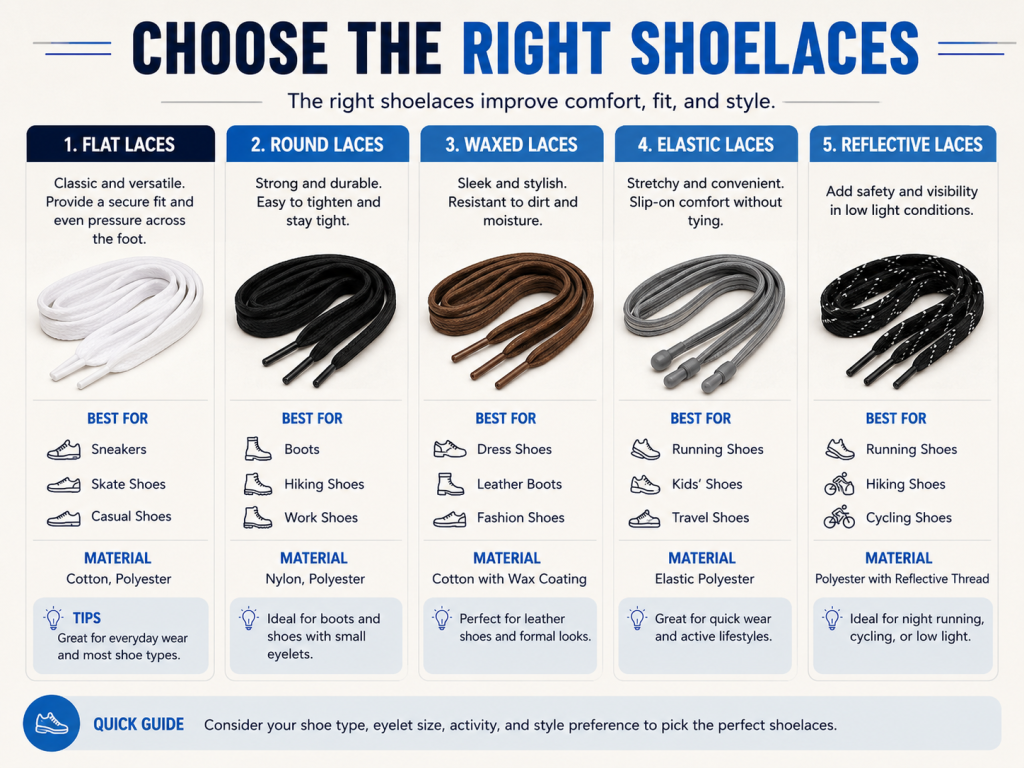
- Before starting the lacing process, make sure you have the right shoelaces for your shoes. Putting laces in shoes is simple, but choosing the correct type and length of lace can improve comfort and appearance.
Choose the Right Shoelaces
Shoelaces are available in different lengths, materials, and designs. The right lace depends on the type of shoe you are wearing and the number of eyelets available.
For example:
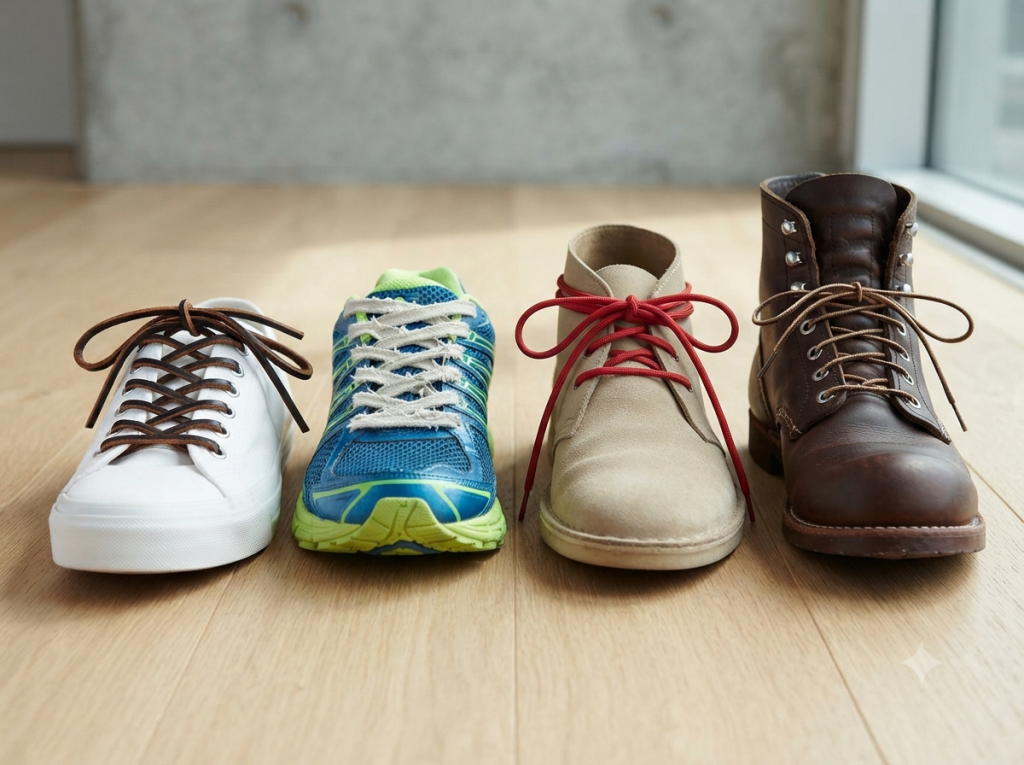
- Sneakers usually work well with flat or round shoelaces.
- Sports shoes often need lightweight and flexible laces for better movement.
- Boots require longer and stronger laces for proper support.
- Casual shoes can use stylish cotton or leather laces for a better look.
Always choose a lace that is long enough to tie comfortably but not so long that it touches the ground while walking.
The correct shoelace size helps your shoes look cleaner and prevents problems while wearing them.
Check Your Shoe Eyelets
- Eyelets are the small holes on your shoes where the laces pass through. Before choosing new laces, check the number of eyelet pairs on your shoes.
- Shoes with more eyelets usually need longer laces because they require more length to complete the lacing pattern. Shoes with fewer eyelets need shorter laces.
- Choosing the correct lace length according to your shoe design makes the lacing process easier and gives your shoes a better fit.
How to Lace Different Types of Shoes
- Different types of shoes need different lacing methods depending on their design, purpose, and comfort requirements. The right lacing style can improve the fitting of your shoes and make them more comfortable for daily use.
- Whether you are wearing sneakers, running shoes, casual shoes, or boots, choosing the correct lacing method can improve both support and appearance.
How to Lace Sneakers
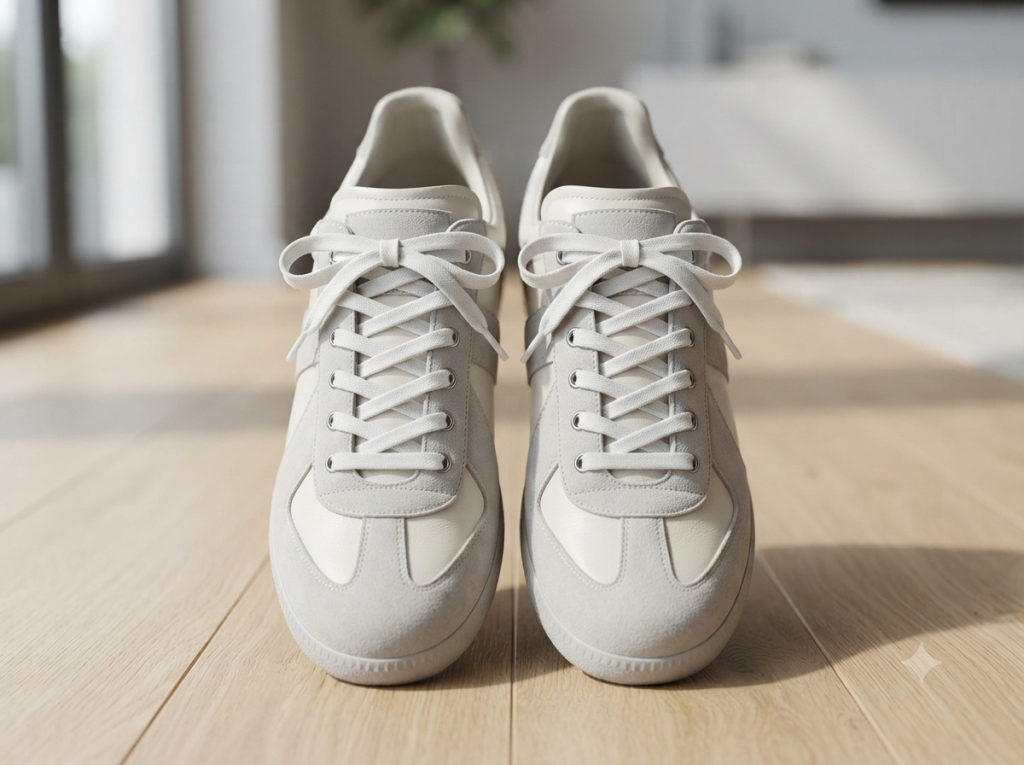
- Sneakers are one of the most popular types of footwear because they are comfortable and easy to style. For most sneakers, the criss-cross lacing method works best because it provides a balanced fit and keeps your feet comfortable.
- If you want a cleaner and more stylish look, you can also try straight bar lacing. This method gives sneakers a modern appearance and works well with casual outfits.
- Make sure the laces are not too tight because sneakers are usually worn for long hours and need proper comfort.
How to Lace Running Shoes
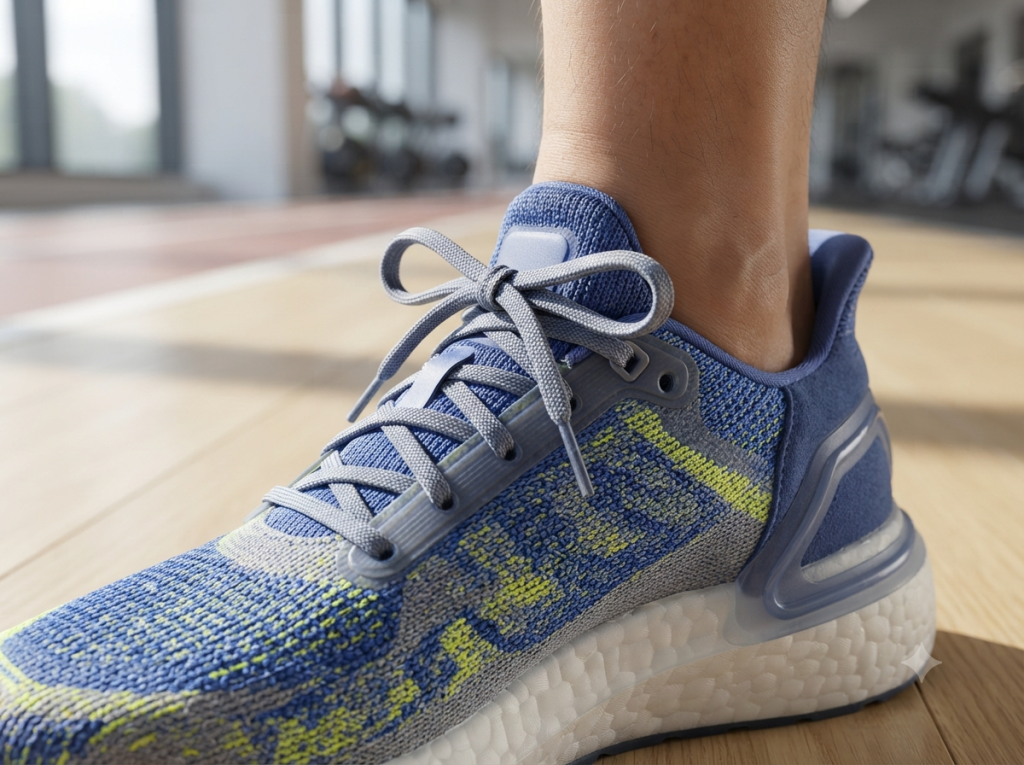
- Running shoes need better support because your feet experience more movement during running and workouts. A secure lacing method helps keep your feet stable and reduces unnecessary movement inside the shoe.
- The lock lacing technique is a great option for running shoes because it provides extra heel support. It helps prevent your heel from slipping and creates a more secure fit.
- Before running, always check that your laces are comfortable and properly adjusted.
How to Lace Casual Shoes
- Casual shoes are mainly chosen for their style and everyday comfort. For these shoes, neat and simple lacing methods work best.
- Straight bar lacing can give casual shoes a clean and stylish appearance, especially when paired with minimal designs. It creates a fashionable look without making the shoes appear too busy.
- Choose a lacing style that matches your outfit and keeps your feet comfortable throughout the day.
How to Lace Boots
- Boots usually have more eyelets and require stronger support compared to regular shoes. A proper lacing method helps keep your ankle comfortable and provides better stability.
- Use firm lacing patterns that hold your feet securely without creating too much pressure. Make sure the laces are tight enough for support but still allow comfortable movement.
Common Shoe Lacing Mistakes to Avoid
- Many people make small mistakes while putting laces in shoes. These mistakes can affect comfort, fitting, and the overall look of your footwear.
- Avoiding these common mistakes can help you get better performance from your shoes.
Using the Wrong Lace Length
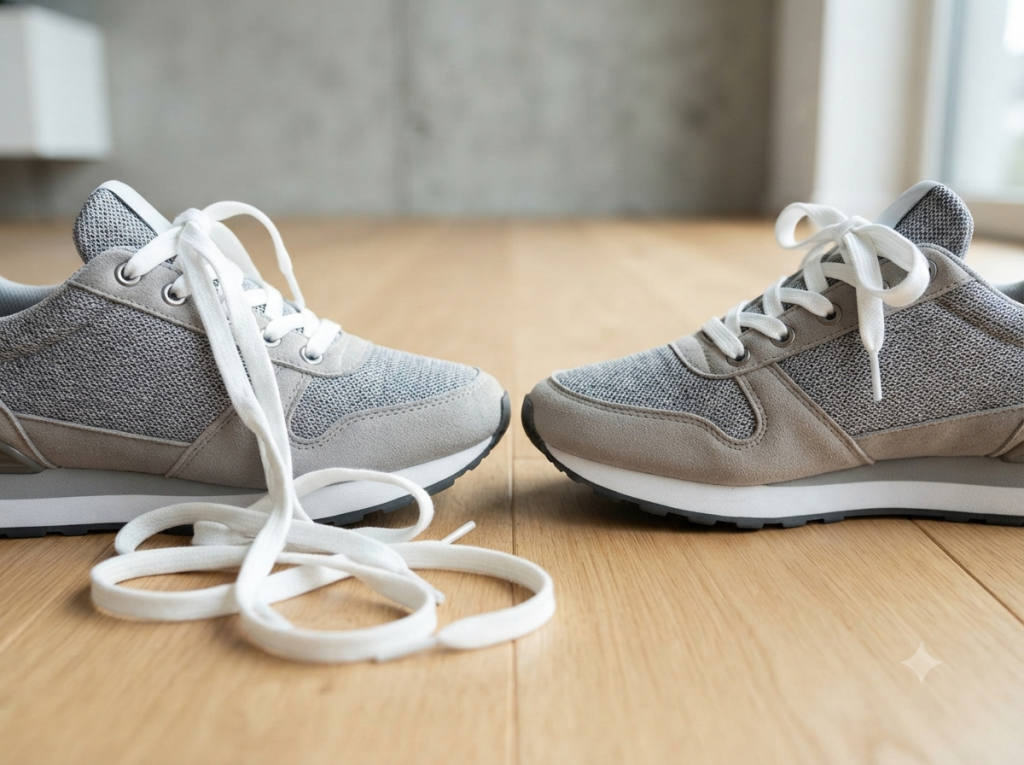
- Choosing the wrong lace length is one of the most common mistakes. Very short laces can make it difficult to tie your shoes properly, while very long laces can look messy and become uncomfortable while walking.
- Always choose shoelaces according to your shoe size and the number of eyelets.
Tying Shoes Too Tight
- Many people tie their shoes too tightly because they want extra support. However, tight laces can create pressure on your feet and reduce comfort.
- Your shoes should hold your feet securely without causing pain or restricting movement.
Uneven Lace Lengths
- Uneven lace lengths can make your shoes look untidy and affect the comfort of your feet.
- Before starting the lacing process, make sure both ends of the lace are equal. This helps create a balanced and cleaner appearance.
Ignoring Shoe Type
- Every shoe has a different purpose, so the same lacing method may not work for every pair.
- Running shoes, sneakers, casual shoes, and boots may require different lacing techniques. Choosing the right method improves both comfort and appearance.
Tips for a Comfortable Shoe Fit
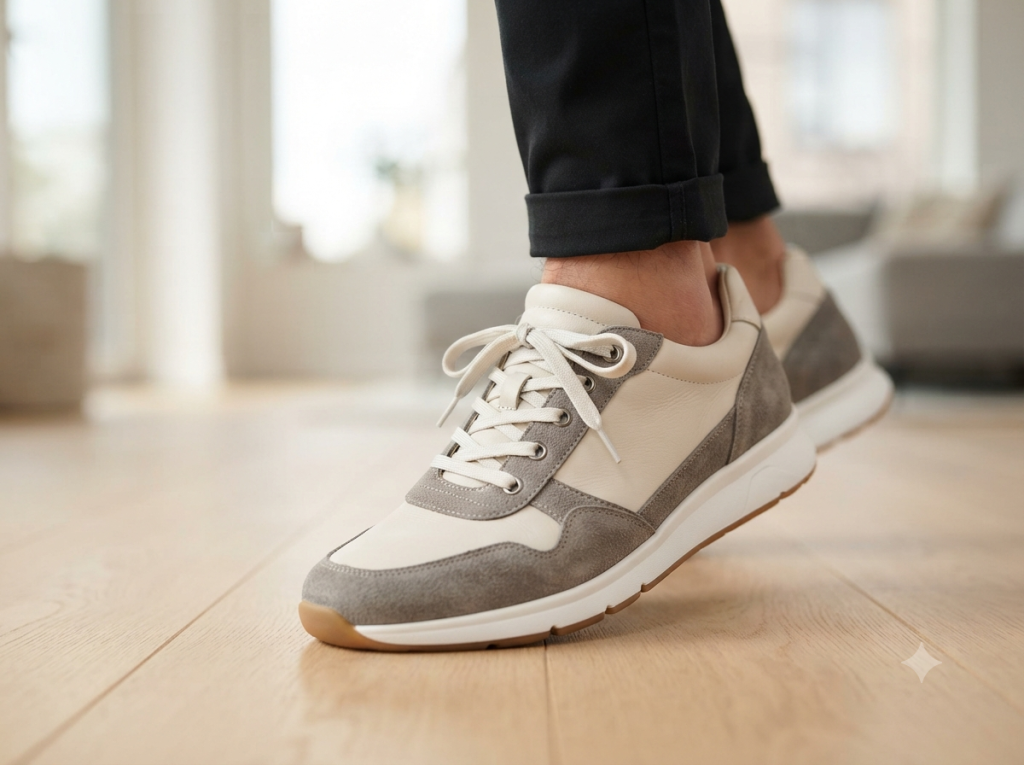
- Small changes in the way you lace your shoes can make a big difference in comfort. Follow these simple tips to improve your shoe fitting:
- Loosen your laces before wearing your shoes.
- Adjust lace tightness according to your activity.
- Replace damaged or old shoelaces.
- Keep the eyelets clean to make lacing easier.
- Try different lacing styles to find the best fit.
- The right lacing method helps your shoes feel more comfortable and improves your overall walking experience.
Frequently Asked Questions (FAQs)
How do you put laces in shoes for the first time?
Start by inserting the laces through the bottom eyelets and make sure both ends are equal in length. Then follow your preferred lacing style and adjust the tightness before tying the final knot.
What is the best way to lace shoes?
The best lacing method depends on your shoe type and comfort needs. Criss-cross lacing works well for everyday shoes, while lock lacing is better for running shoes and sports activities.
How tight should shoe laces be?
Shoelaces should be tight enough to keep your feet secure but loose enough to allow comfortable movement. Avoid tying them too tightly because it can create pressure on your feet.
Can wrong lacing cause foot pain?
Yes, incorrect lacing can create pressure points, reduce support, and make your feet uncomfortable. Using the right lacing method can improve comfort and fitting.
How often should I replace shoelaces?
You should replace your shoelaces when they become damaged, stretched, or difficult to tie properly. Fresh laces can improve both the appearance and performance of your shoes.
Can I change my shoe lacing style?
Yes, you can change your lacing style according to your comfort, shoe type, and personal preference. Different styles can improve the look and fitting of your footwear.
Conclusion
- Learning how to put laces in shoes is a simple skill that can improve the comfort and appearance of your footwear. Whether you wear sneakers, sports shoes, casual shoes, or boots, the right lacing method helps your shoes fit better and feel more comfortable.
- Always choose the correct lace length, follow a suitable lacing style, and adjust the tightness according to your needs. A small change in the way you lace your shoes can make your daily walking experience much better.
- With these simple steps, you can easily put laces in your shoes and enjoy the perfect combination of comfort, support, and style.